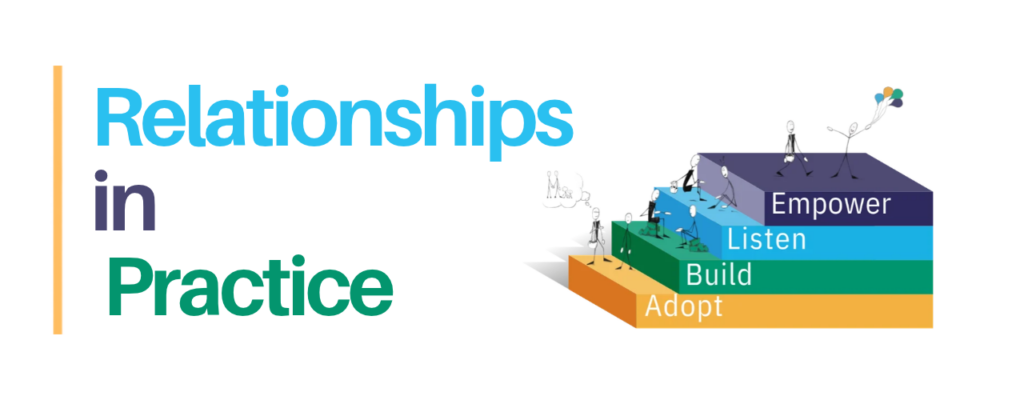
Relationships in Practice supports frontline practitioners, school communities, organisations, and businesses to put quality relationships at the heart of their work through evidence-based training, the ABLE framework, and collaborative initiatives.
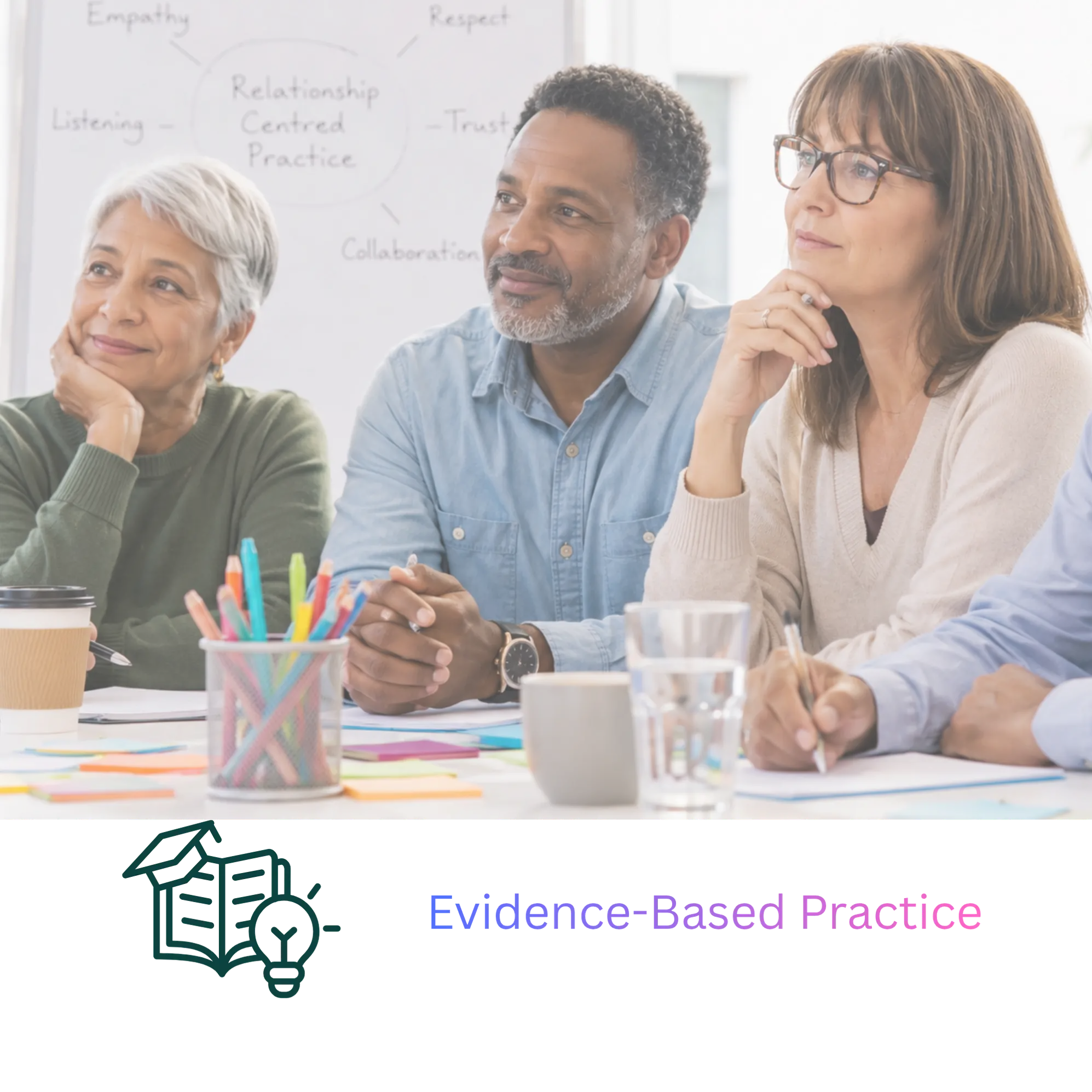
Evidence-Based Tailored Specifically for Practitioners In ireland
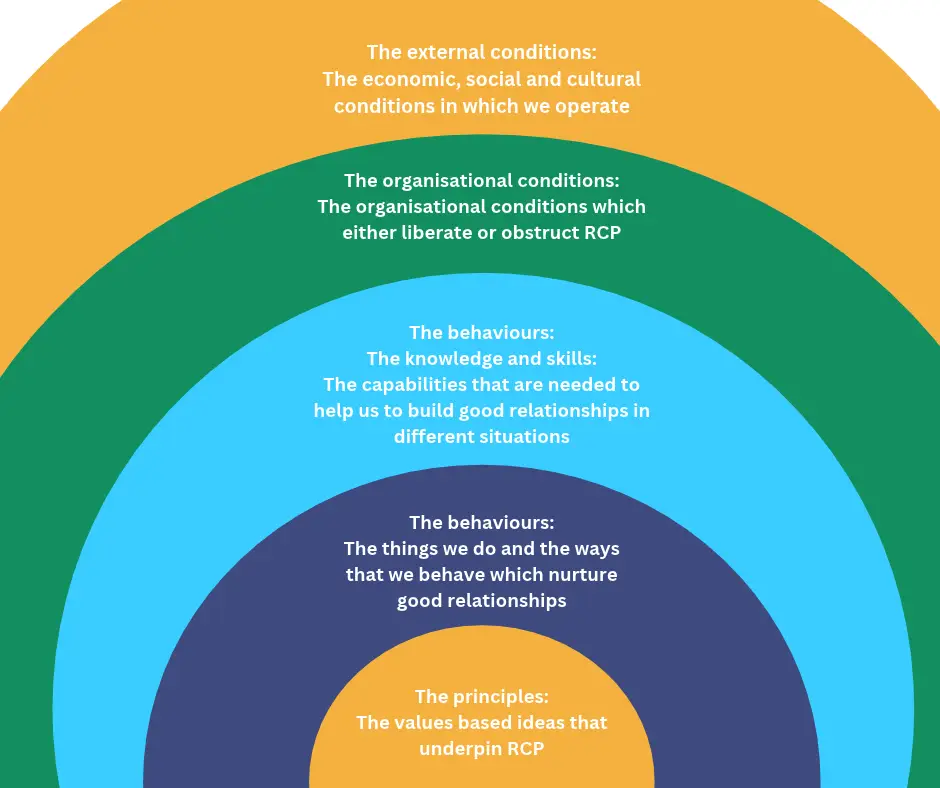
Principles, Behaviours, and Conditions for Relationship Centred Practice.
Diagram with permission from the Relationships Project Uk.
Our approach to Relationship-Centred Practice
Relationships in Practice recognises that the relationship between the client and the practitioner is at the heart of every intervention. Each such relationship has the potential to enhance the service itself at its core and to improve health and well-being outcomes. Relationships in Practice aims to enhance practitioners’ capacity to be present and attuned in their interactions with clients, teams, and in the organisations they are part of. We build practitioners’ understanding of how relationships are a key contributor to health and wellbeing and how they act as both risk and protective factors. Our training programmes provide the reflective space, tools, insights and evidence based information that support knowledge in the field of relationships in practice. The evidence-informed training courses develop practitioners’ self-awareness, interpersonal skills, insight and knowledge so that they can support and empower individuals and families and look after themselves.
ABLE4Business Training
Supporting confident, boundaried conversations in the workplace
ABLE4Business is a three-day training programme designed to support managers and staff in navigating challenging workplace interactions with confidence, clarity, and care.
Grounded in a time-bound brief intervention framework, the training equips participants to recognise, respond to, and manage signs of distress in the workplace while remaining within the boundaries of their role and responsibilities.
Our evidence-informed training programmes are all based on ABLE (Adopt a relational approach, Build and Boundary, Listen and Empower & End), a brief intervention model we developed to support quality relationships in frontline practice.
We warmly welcome opportunities to collaborate with like-minded organisations and individuals interested in placing a relationship-centred approach at the heart of their work. Learn more about previous initiatives here.
An interview by the Royal College of Physicians Ireland (RCPI) with Dr Maeve Hurley, founder of the Relationships in Practice programme, who talks about her interest in relational health and her journey to becoming a reflective practitioner.
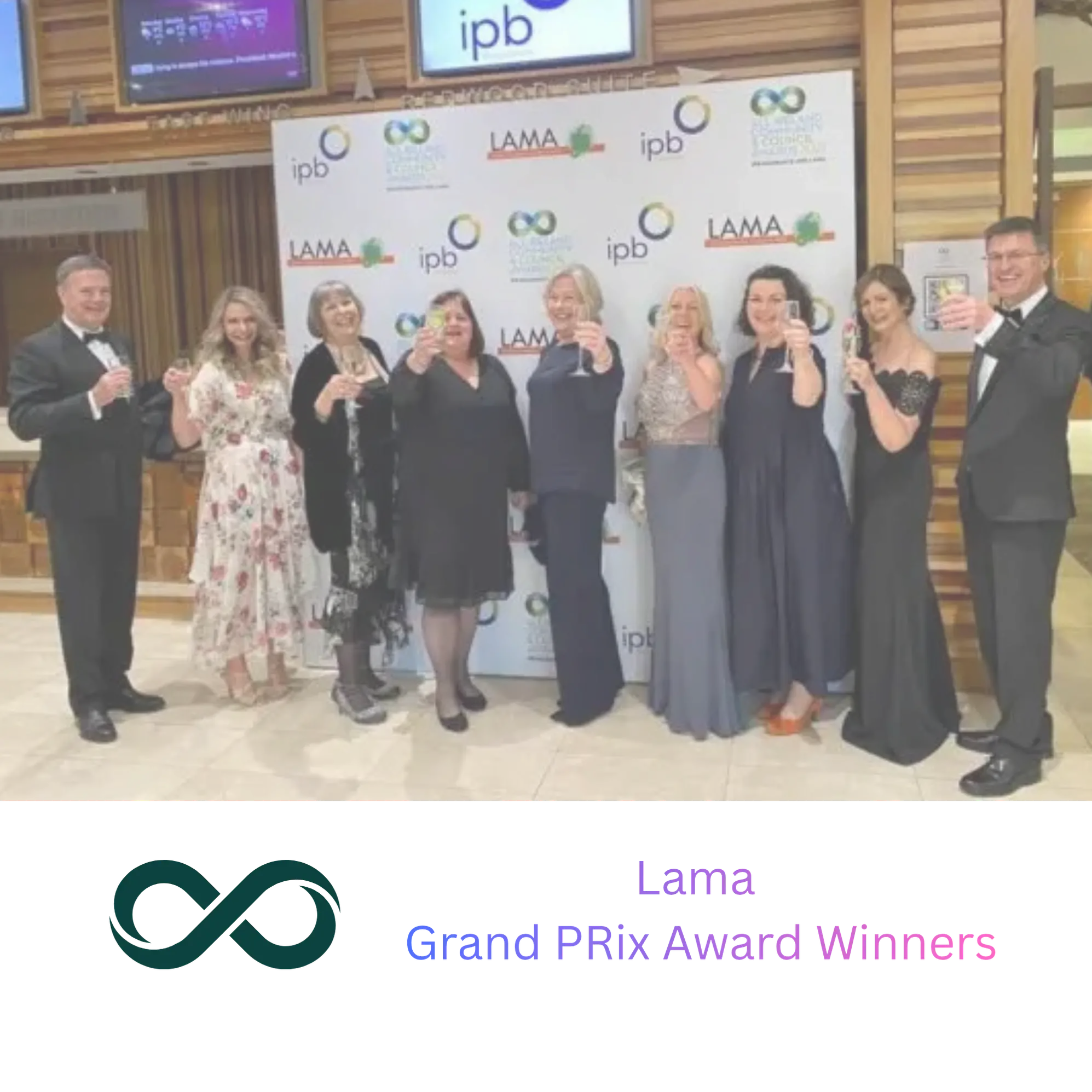
Grand Prix Award Winners
Hands Up for Children
Dr. Naomi Masheti
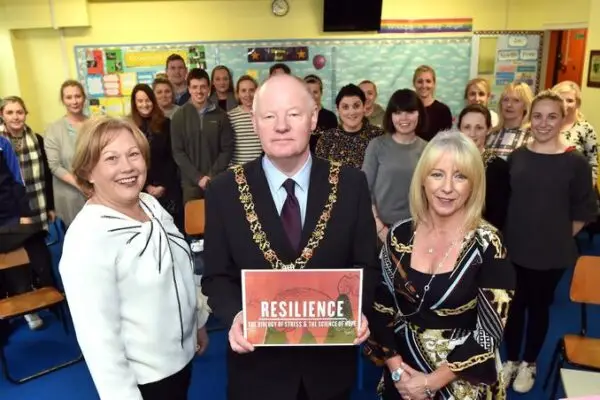
Resilience: The Biology of Stress & the Science of Hope
Dr. Maeve Hurley
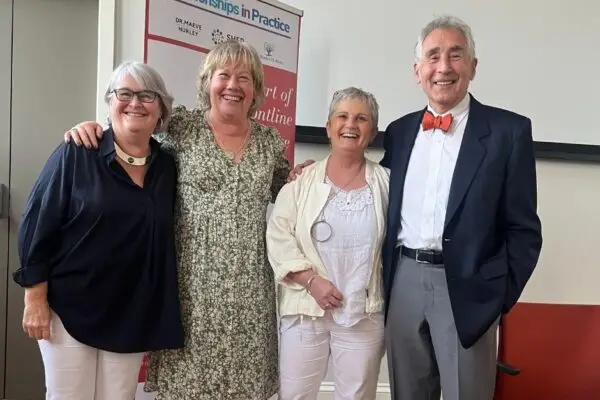
Kathy Jones & Dr. Maeve Hurley
May 2019 Conference
Summer Course4teachers
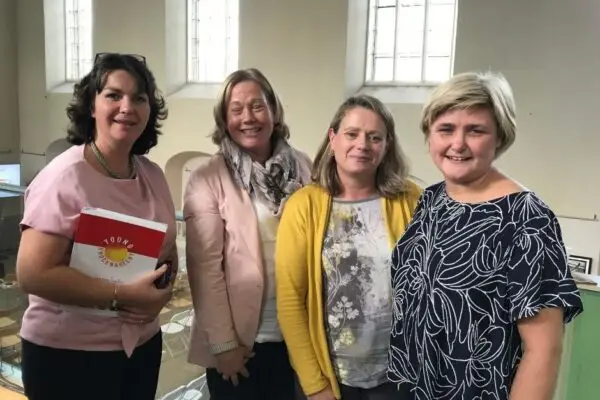
Young Knocknaheeney Event 2018
Attuned In Practice 2023
Trainers Course Development
Trainer Update 2023
Our Trainers
Team Day Out
Attuned In Practice Touch Point
Dr. Maeve Hurley
UCC Medical Student Lecture 2017
In Killarney - Team day out
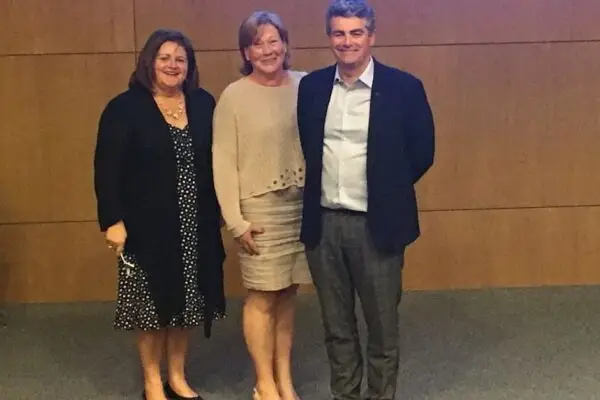
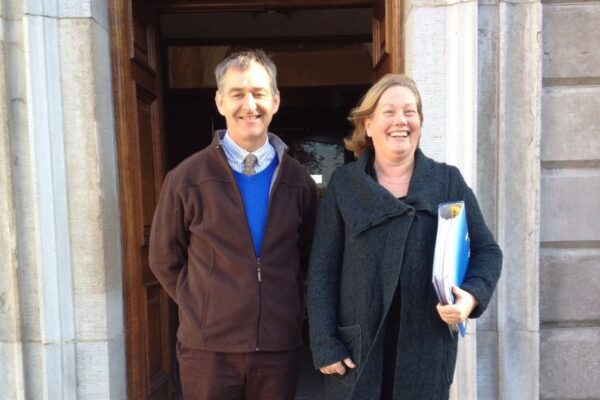
Dr. Maeve Hurley meeting with Minister Fitzgerald -2017
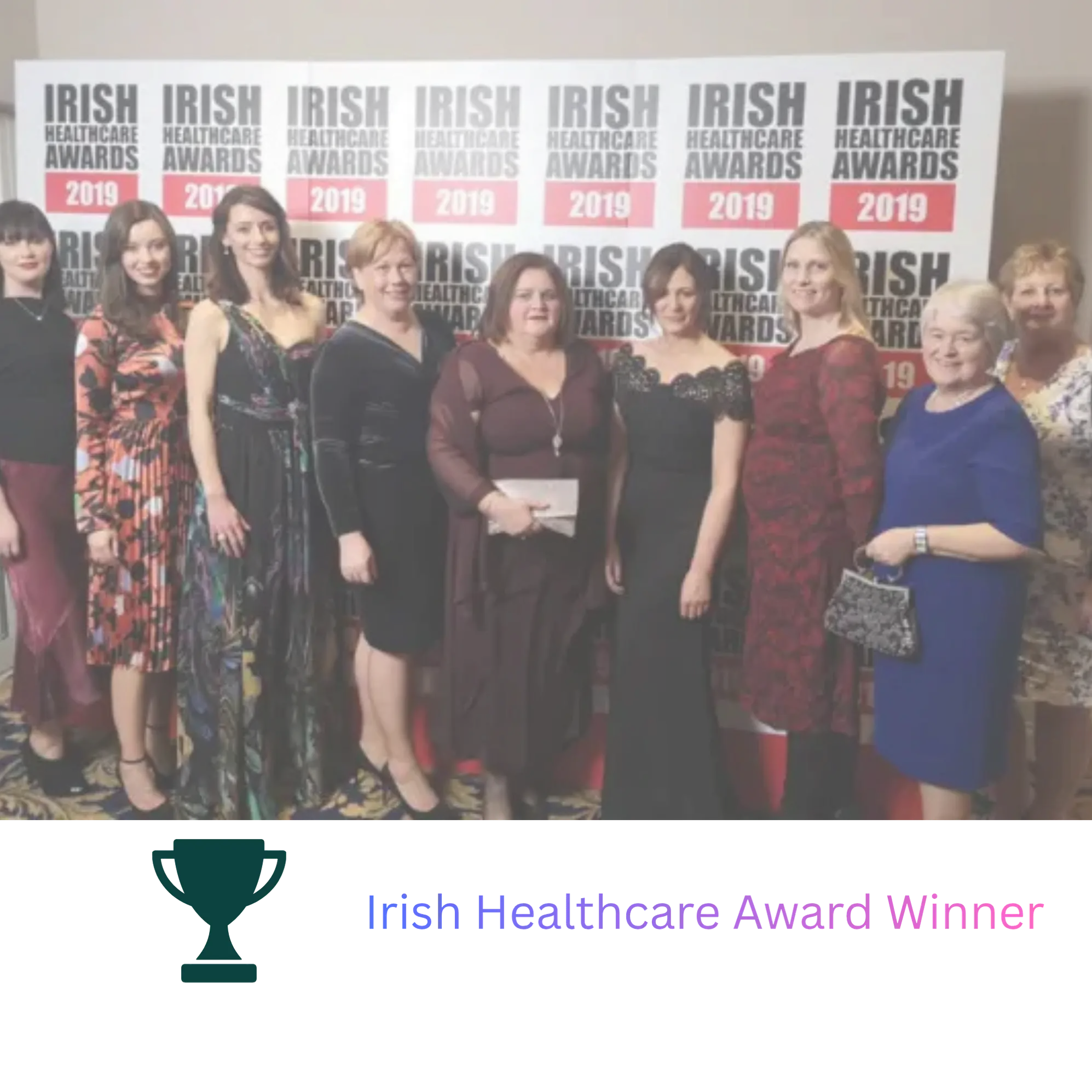
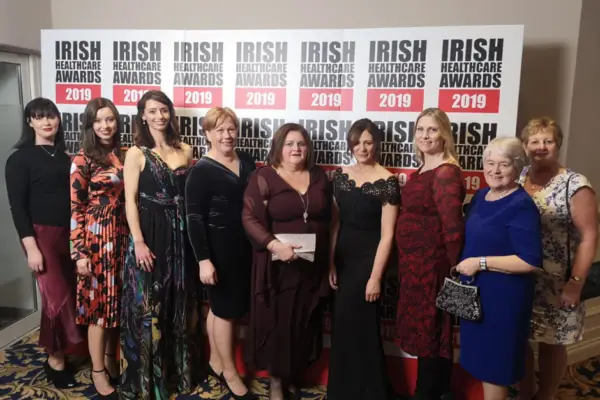
Irish Healthcare Awards 2019
Relationships Matter
Relationships in Practice recognises that the relationship between the client and the practitioner is at the heart of every intervention. Each such relationship has the potential to enhance the service itself at its core and to improve health and well-being outcomes.
By relating with empathy, sensitivity and understanding, frontline practitioners, such as GPs, public health nurses, early childcare professionals, teachers, social workers, and social care practitioners, are ideally placed to support individuals and families, particularly during times of change or transition.
We invite practitioners to join us in facilitated, experiential spaces to think about their role in relationships at work, to consider new ideas and evidence on what works best, and have the opportunity to integrate this knowledge base in an applied context so that they can begin to think critically about the role of quality relationships in workspaces. Collaborating with community and voluntary organisations and colleges provides opportunities to increase awareness of topics such as relationships in childhood and their connection with adult development, family development, and relationships at community and societal level. Working with knowledge and research about relationships is ever-changing, so the Relationships in Practice programme evaluates its work, considers the impact of providing training in this area and continues to reflect on its contribution in a systematic way. This includes clearly articulating aims and outcomes associated with our work and monitoring and evaluating feedback in collaboration with our stakeholders. We take a flexible and responsive approach to implementing changes in response to that feedback and to the changing nature of evidence-based research associated with relationships.