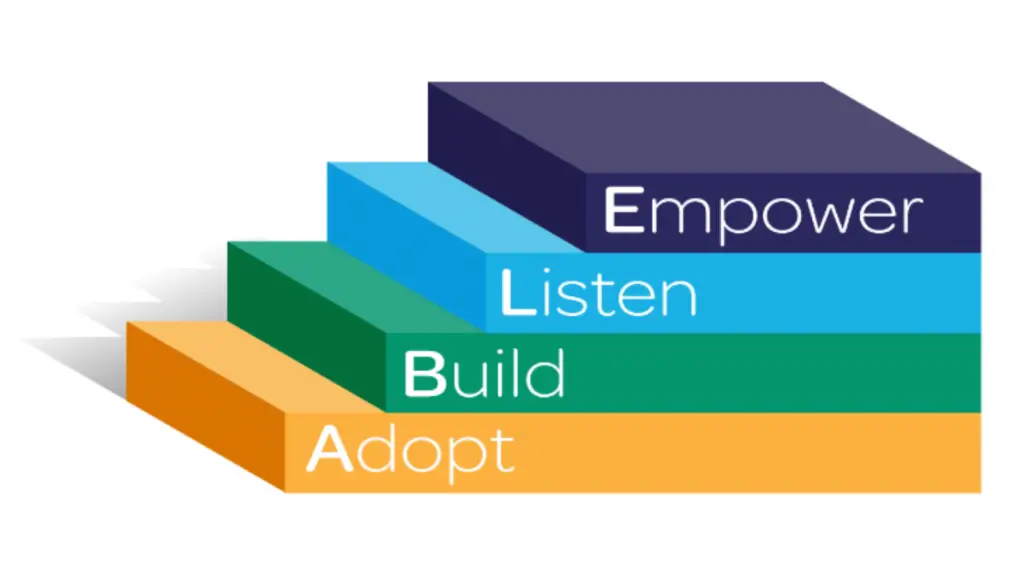
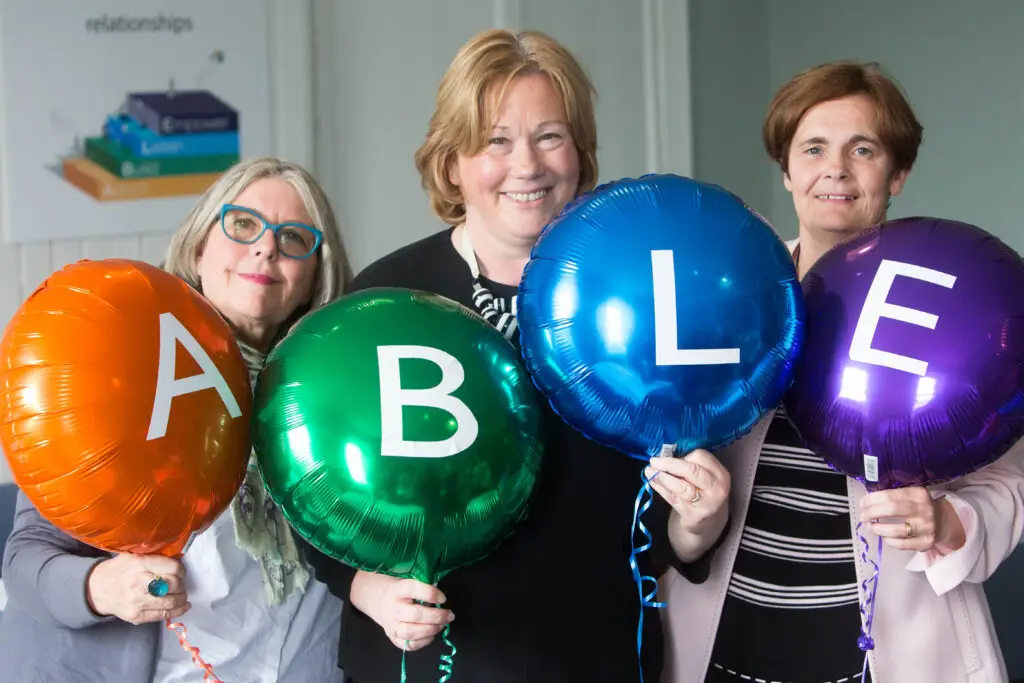
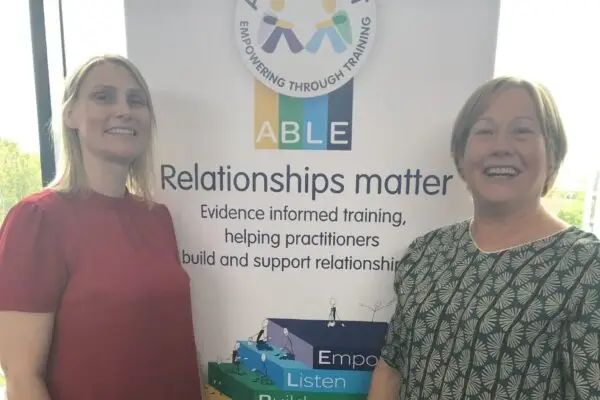
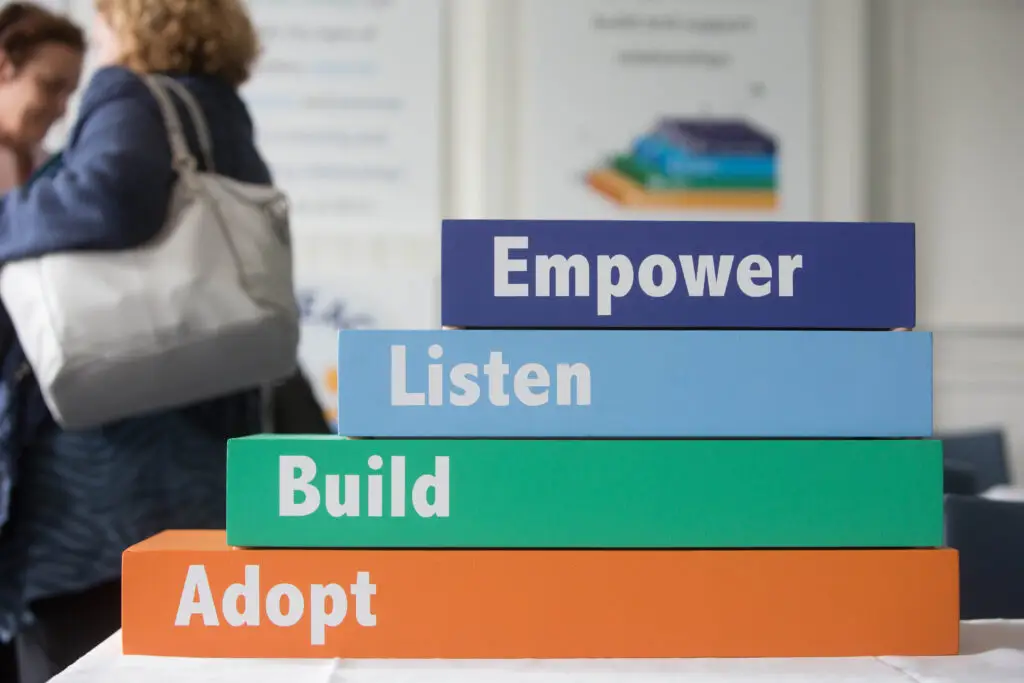
Our evidence-informed training programmes are all based on ABLE (Adopt a relational approach, Build and Boundary, Listen and Empower & End), a brief intervention model we have developed to support quality relationships in practice.
“With effective training it is possible to build a relationally capable workforce that is relationally-minded, can identify the signs of difficulties, respond appropriately and promote ways of protecting and strengthening relationships”
Coleman et al 2013
Our ABLE Model
What is ABLE? ABLE (Adopt a relational approach, Build, Listen & Empower) is a brief intervention training model that helps to equip you with a framework you can use to support clients who turn to you for help.
Relationships matter. Relationships in practice matter. Studies show that practitioners’ ability to listen, understand and empathise impacts positively on health and wellbeing outcomes. We provide you with the training and opportunity to develop those skills.
Our accredited ABLE training courses include emerging scientific insights from the fields of relationship theory, Parent-Infant Mental Health, Childhood Development, and Interpersonal Neurobiology, to help you understand what may be going on for the children and adults you engage with at work.
Our courses have been developed and fine-tuned over many years. This is in response to changes in knowledge and research, and in response to feedback and evaluations from our trainers, participants and commissioners. Each course is designed for specific practitioners, with relevant scenarios and content to help you to identify with situations in your routine work.
What does ABLE give you? • Interpersonal skills and knowledge to help build your confidence in engaging with service users so that you can develop relationships of trust. • A framework to manage your boundaries of time, role and competence during difficult interactions so that you can look after your own wellbeing.
Continuous Professional Development Our three-day ABLE brief intervention training covers 16.5 learning hours. Courses are certified and practitioners may apply for Continuous Professional Development (CPD) from their relevant bodies. We welcome opportunities to apply for accreditation with relevant bodies where appropriate.
Cork school goes the extra mile to help the families of homeless pupils
Dr. Maeve Hurley, founder of Ag Eisteacht and now Relationships in Practice, has long championed the importance of relationship-centred support for children, families, and communities.
In this RTÉ News feature, Maeve speaks about the power of compassionate, emotionally supportive school environments and the importance of understanding behaviour through the lens of stress, adversity, and lived experience. The article highlights the meaningful work being carried out by North Presentation Primary School in Cork, whose staff completed Ag Eisteacht training to help support children and families experiencing homelessness.
Maeve’s message remains central to our work today — that through listening, empathy, and relational understanding, every person has the potential to make a positive difference in someone’s life.
Our Target group
Our target groups include frontline practitioners, businesses, organisations, and school communities who support people through everyday interactions and times of change. This includes Public Health Nurses, healthcare workers, General Practitioners, Midwives, Practice Nurses, Childcare Workers, Teachers, Special Needs Assistants, Lecturers, Audiology Practitioners, Youth Workers, Social Care Workers, Family Support Workers, Infant Mental Health Workers, and professionals working across community, healthcare, education, and workplace settings.
Some families may meet more specialist services, such as disability services, Children’s Disability Network Teams (CDNT), homeless services, Occupational Therapists (OT), Speech and Language Therapists (SLT), mental health services, School Completion Programme (SCP) workers, and Home School Community Liaison (HSCL) coordinators.
Supporting confident, boundaried conversations in the workplace
ABLE4Business is a three-day training programme designed to support managers and staff in navigating challenging workplace interactions with confidence, clarity, and care.
Grounded in a time-bound brief intervention framework, the training equips participants to recognise, respond to, and manage signs of distress in the workplace while remaining within the boundaries of their role and responsibilities.
Grand Prix Award Winners
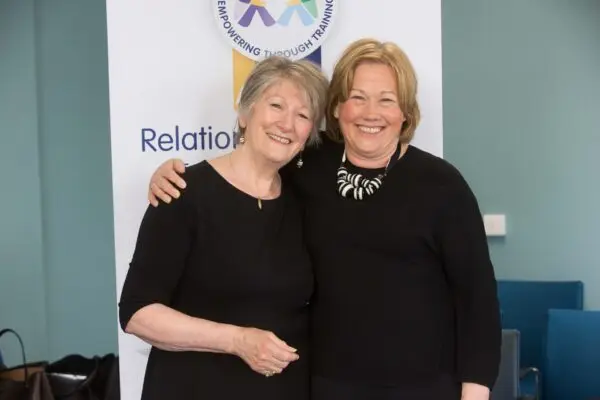
Kathy Jones & Dr. Maeve Hurley
Dr. Maeve Hurley
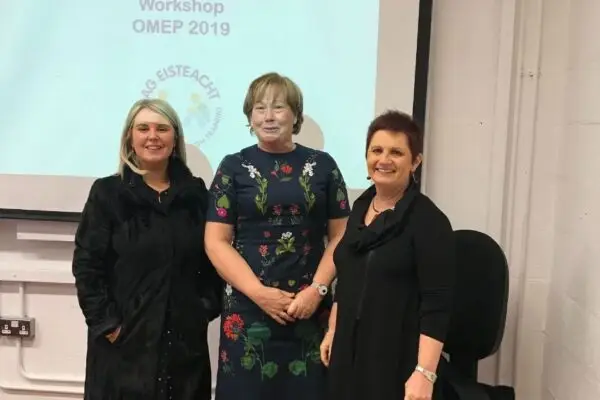
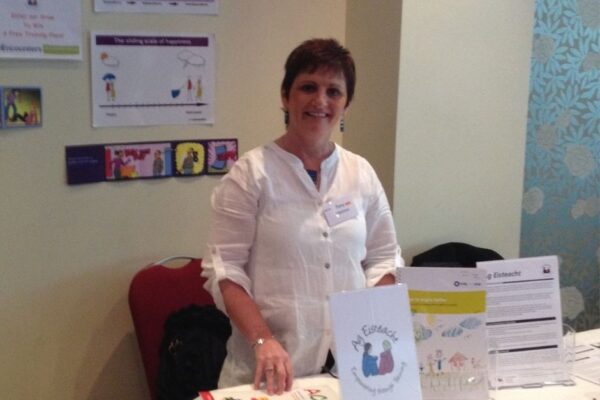
2019 Conference
May 2019 Conference
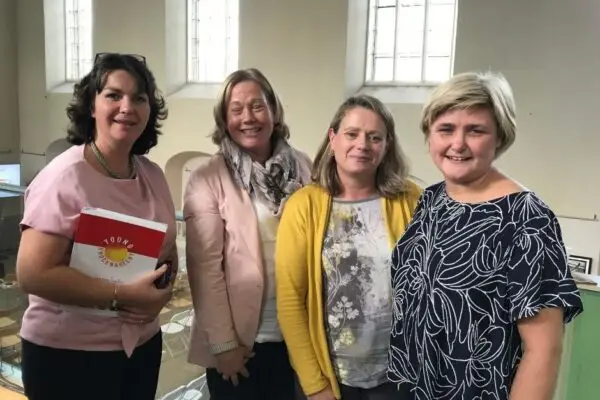
Young Knocknaheeney Event 2018
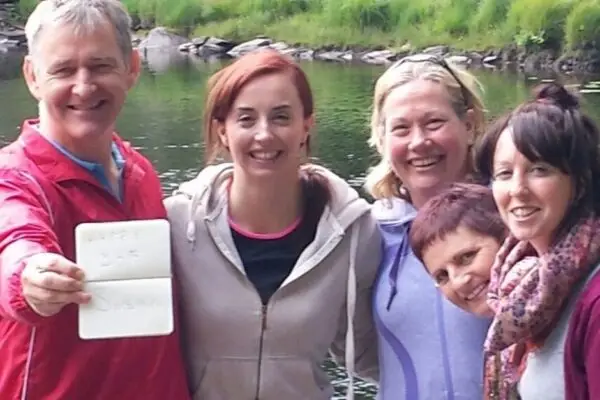
In Killarney - Team day out
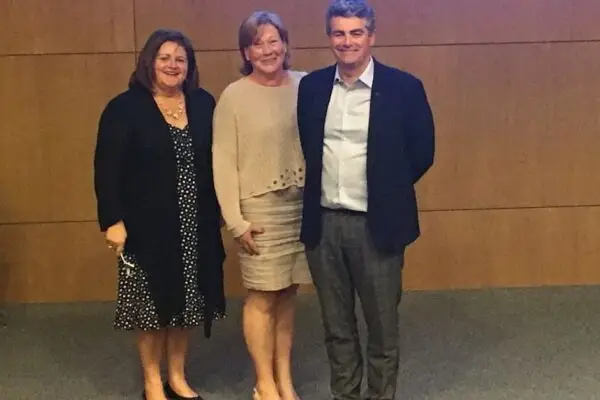
UCC Medical Student Lecture 2017
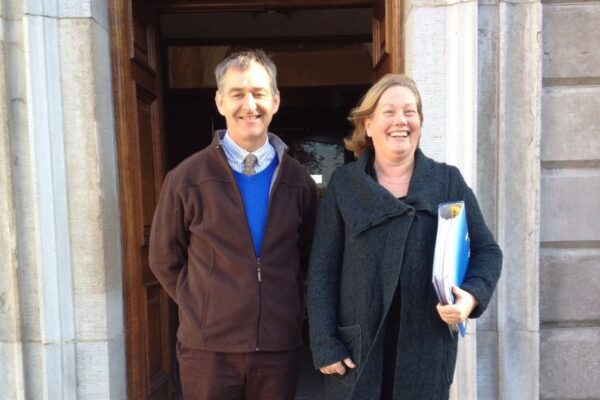
Dr. Maeve Hurley meeting with Minister Fitzgerald -2017
Patsy Hannan
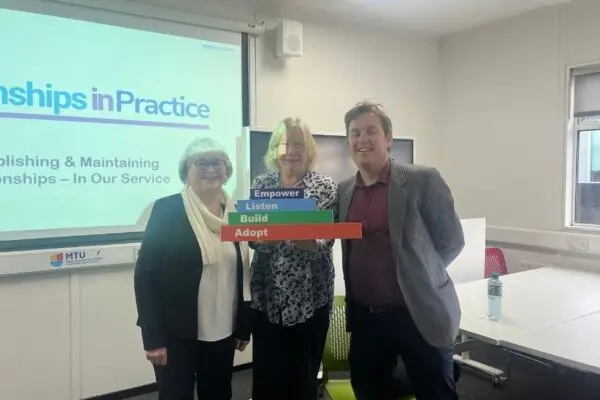
Guest Lecture At MTU
Dr. Maeve Hurley
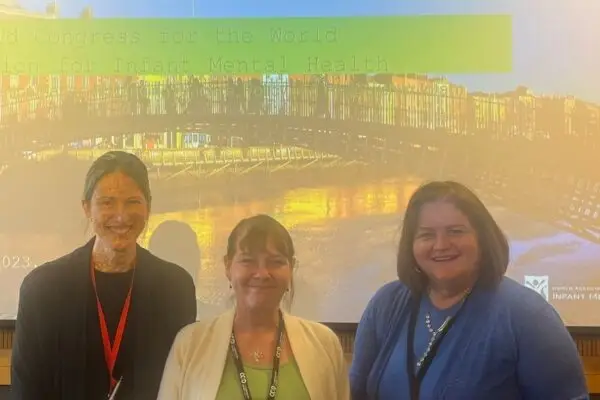
WAIMH Conference in Dublin 2023
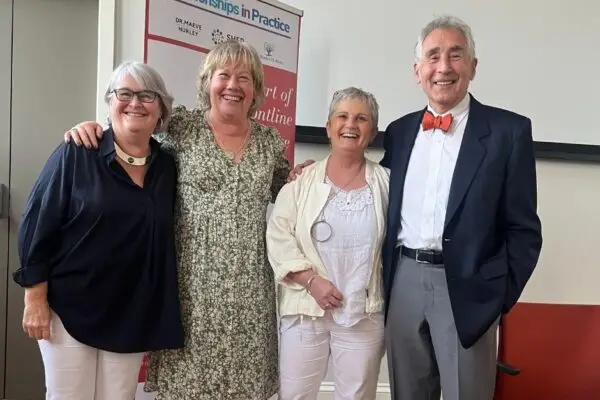
Attuned In Practice 2023
Trainer & Board Development with Chris Germer
Summer Course4teachers
Trainers Course Development
100% of our participants said they would use the skills of the brief intervention model ABLE regularly in practice.
“Extremely well-presented by competent, confident professional trainers, using excellent material that is sophisticated but professional.”