Initiatives
The Relationships in Practice programme recognises that practitioners have the capacity to place relationship-based practice at the centre of their work. This programme is dedicated to enabling multi-agency and multi-disciplinary holistic relationship-based responses. We warmly welcome opportunities to collaborate with like-minded organisations and individuals.
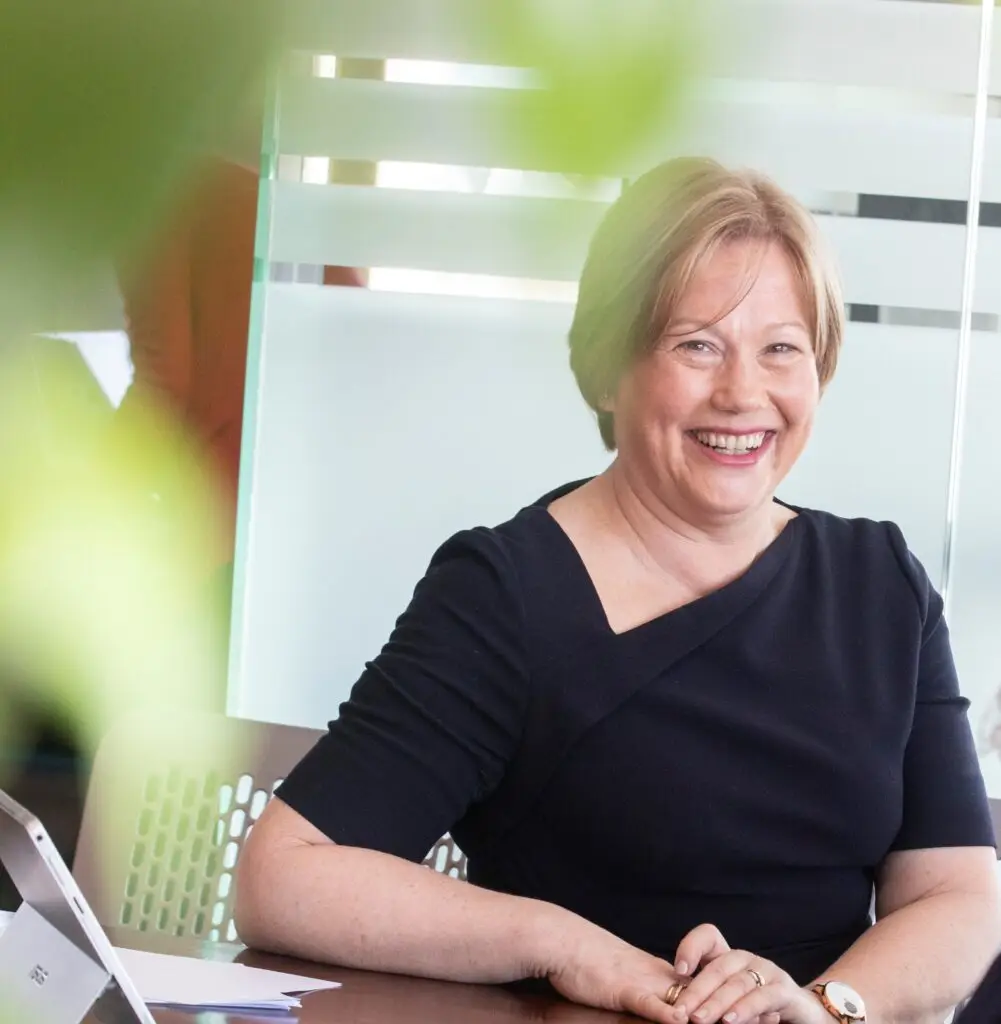
“One of the joys of the Relationships in Practice programme is connecting and collaborating with individuals and organisations who understand the value of taking a relationship-centred approach in their work..”
Dr Maeve Hurley, founder, Relationships in Practice
Attuned In Practice
Hearts Aligned, Practice Refined
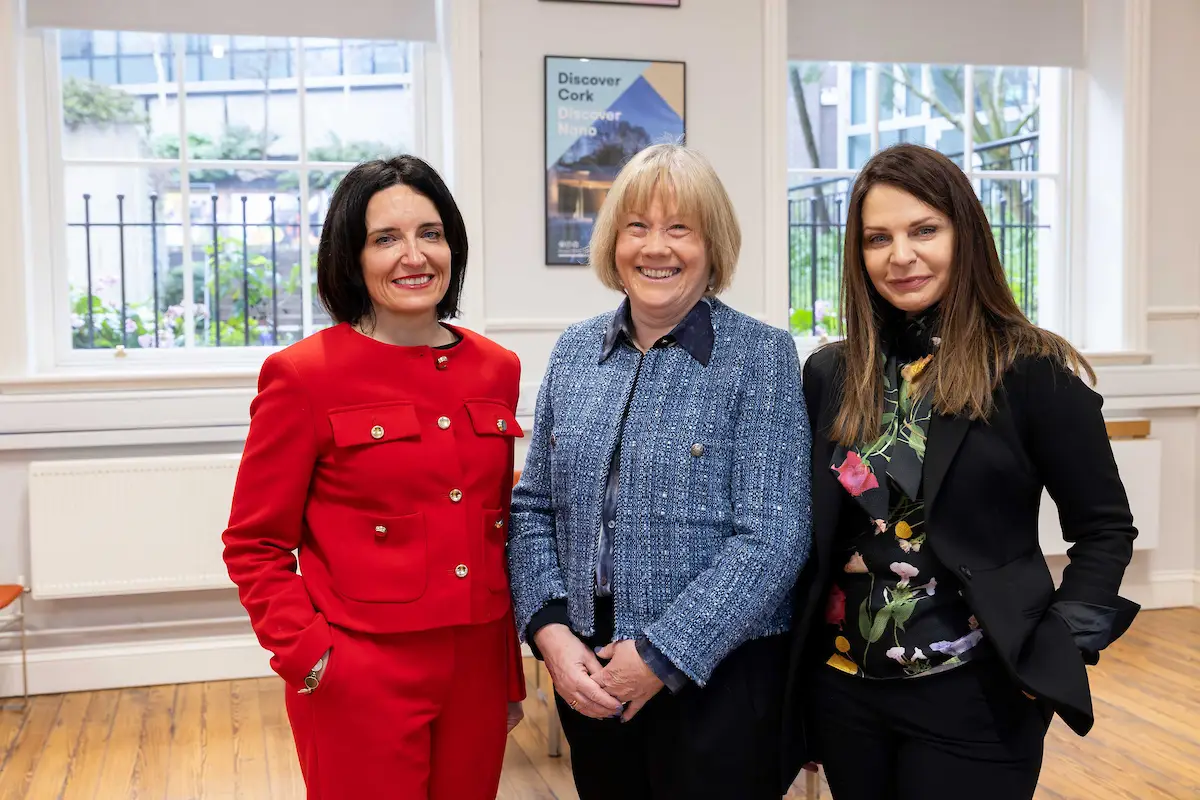
Attuned in Practice is led by an alliance of Maeve Hurley, Nicola O’Sullivan, and Nicola Doherty. At Attuned in Practice, we believe that all frontline practitioners deserve learning spaces to reflect and connect with their core beliefs, values, and the sense of purpose that drew them into their work or chosen career path. We know from our own practice that these spaces can be normative and restorative, helping to sustain us.
When practitioners are afforded the opportunity to connect and reflect on subjects central to their work, this shapes their practice for the better and sets them up to bring their best selves to work. Reflective, attuned practitioners then inform a better organisational and whole-system response to people using those services.
Our aim is to provide learning and reflective spaces for practitioners to come together. We choose reflective practitioners to lead and provide key insights, inviting deeper thinking and reflection on key aspects of frontline work in Health, Education, and Social Care. These practitioners speak from their own experience and practice, creating a safe and nurturing space that helps attendees think more deeply about their roles. The gathering and opportunity to share are supportive to attendees and help build a community with shared values and a collective understanding of the challenges and norms of working in frontline practice.
ABLE in Education
During this year, we have seen our programmes go from strength to strength. In Education, we have a new collaboration with the WellSchools Network.
We are in the process of delivering three courses in the ABLE4SL Series across five sessions. We are delighted to have OIDE endorsement of the courses.
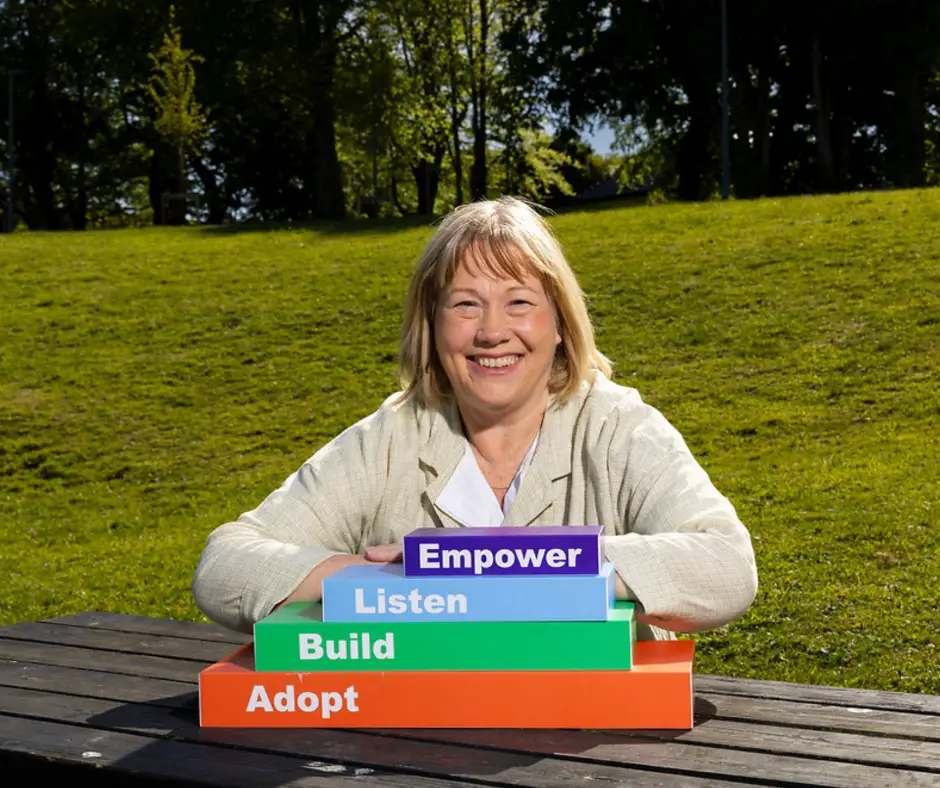
ABLE training supports all those in the school community to nurture, build and boundary relationships. The ABLE framework provides knowledge and skills for a whole school approach with a focus on being proactive in early intervention and picking up problems early. This principle and resultant behaviours foster a consistent, predictable way of relating that aims to create a safe space, for learning, connection and care for all.
Resilience: The Biology of Stress & the Science of Hope
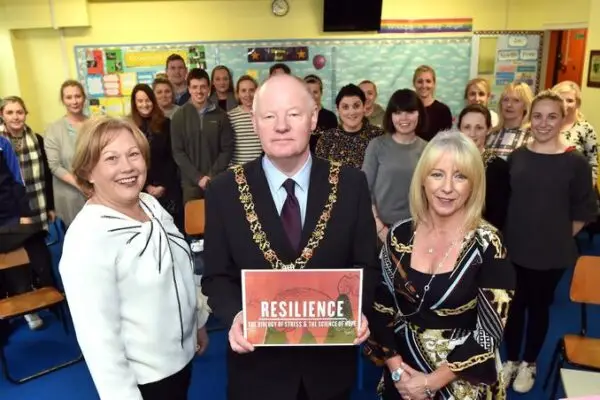
Our facilitated screenings of ‘Resilience: The Biology of Stress & the Science of Hope’ have been warmly received by invited audiences of practitioners and teachers, helping practitioners to communicate with compassion, empathy, and understanding.
We held our first facilitated screening of the critically-acclaimed documentary, ‘Resilience: The Biology of Stress & the Science of Hope’ at Nano Nagle Place in Cork in October 2018 for a group of frontline practitioners from the health, social care, youth and community sectors.
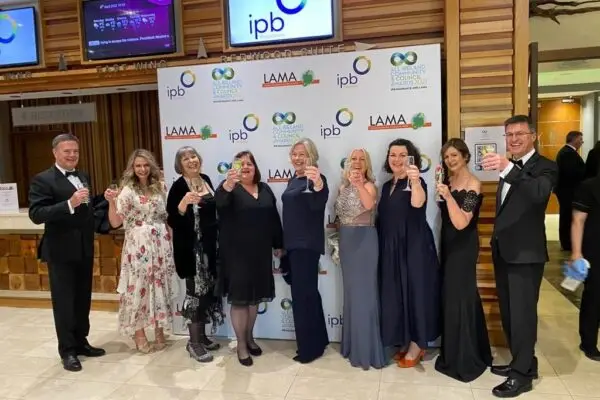
Since then, we have facilitated screenings for 850 frontline practitioners to date. Relationships in Practice won the overall Grand Prix award and took Gold in the Best Community Health category of the All Ireland Community & Council Awards for its ‘Relationships matter: building ACE awareness in the community’ initiative.
As licence holders of the documentary, our screenings form part of our advocacy work to help raise awareness of how positive relationships can buffer the impact of adverse childhood experiences (ACEs) and toxic stress.
A unique aspect of the screenings is that Relationships in Practice facilitates online breakout rooms to provide an opportunity for people to reflect on and absorb the impact of the content on them.
In an evaluation of our 2021 screenings to date, 74% stated that the screening had significantly raised their awareness of the potential impact of ACEs on children and families. 71% of attendees reported that the documentary had helped them to consider how they might respond to children and families.
“What is lovely about these screenings is that there is no agenda. This isn’t about skills development but simply, awareness. We are left with feelings and thoughts about how we might do things differently and what changes we might make. It’s like opening a window or placing a lens that might align our approach or thinking differently so that we can be more empathic to ourselves and others.”
Katherine Harford, Manager, Let’s Grow Together Infant and Childhood Partnerships
Continuing The Journey
50 reasons to support relationships in practice
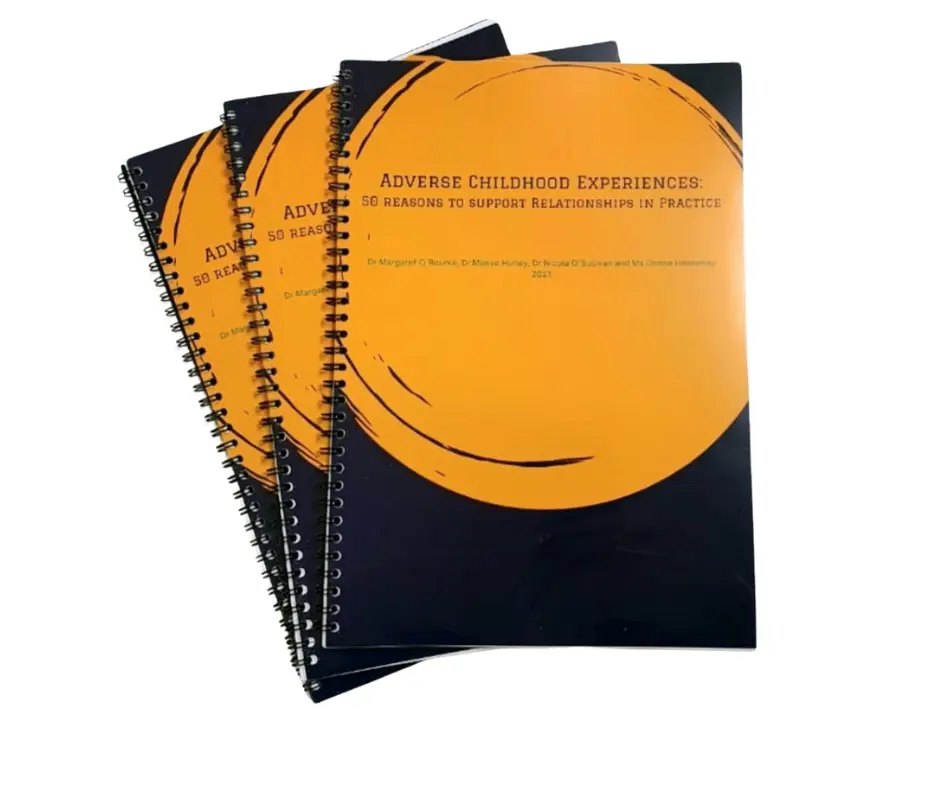
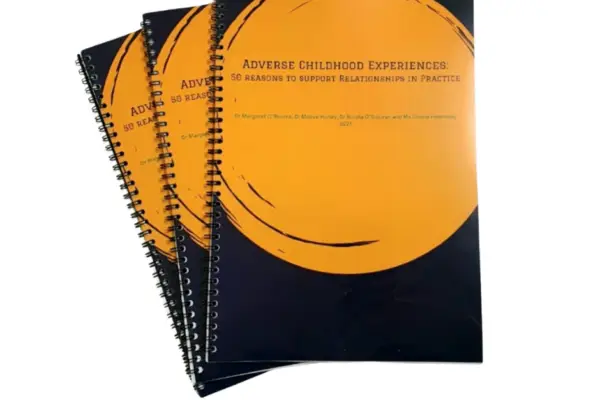
‘Adverse Childhood Experiences: 50 reasons to support relationships in practice’ is a document structured around the five core themes which emerged from an audit of our facilitated screenings of the award-winning documentary, ‘Resilience: The Biology of Stress and the Science of Hope’.
This evidence-based, multifaceted document by Dr Margaret O’ Rourke, Dr Maeve Hurley, Dr Nicola O’ Sullivan and Ms Donna Hennessy presents a range of information, data and knowledge, along with a comprehensive reference and resources and tools in appendices, that we believe can support professionals to open up new ways of thinking about what we can do to become more aware and compassionate towards children and adults with histories of ACEs and toxic stress.
If you are interested in receiving a digital copy of ‘Adverse Childhood Experiences: 50 reasons to support relationships in practice’, please contact training@relationshipsinpractice.ie
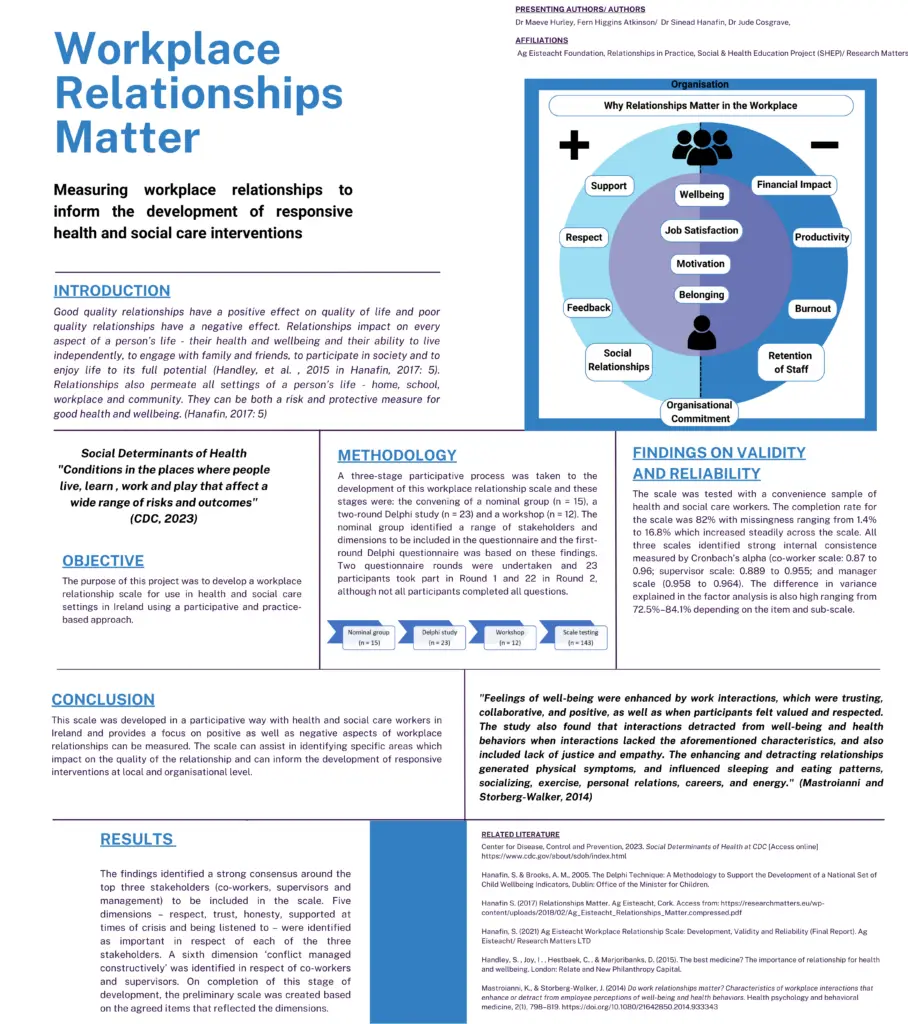
the Workplace Relationship Scale:
Measuring workplace relationships to inform the development of responsive health and social care interventions
Good quality relationships have a positive effect on quality of life and poor quality relationships have a negative effect. Relationships impact on every aspect of a person’s life – their health and wellbeing and their ability to live independently, to engage with family and friends, to participate in society and to enjoy life to its full potential (Handley, et al., 2015 in Hanafin, 2017: 5). Relationships also permeate all settings of a person’s life – home, school, workplace and community. They can be both a risk and protective measure for good health and wellbeing. (Hanafin, 2017: 5)
Relationships Matter Research
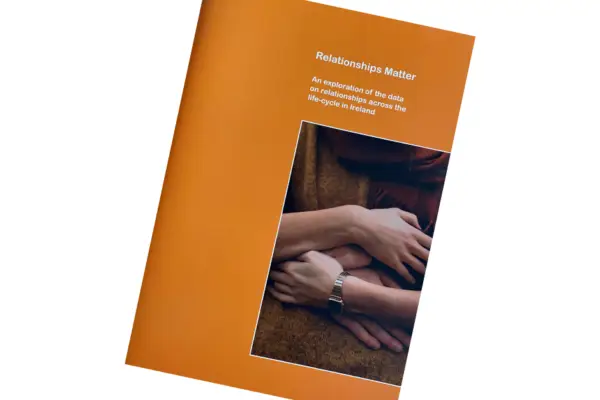
We commissioned Dr Sinéad Hanafin, a scholar of the European Academy of Nursing Science, a Visiting Research Fellow at Trinity and managing director of the research consultancy company, Research Matters, to research the importance of relationships and the effect they have on our health and wellbeing. Dr Hanafin’s report ‘Relationships Matter’ uses national data and research sources to present an overview of relationships in Ireland throughout the life cycle, from infancy through to relationships in later life. It includes a review of relationships in the workplace and community, as well as addressing the topic of adverse relationship experiences.
To request a copy of Relationships Matter, Hanafin, S. (2017) Relationships Matter -please email training@relationshsipsinpractice.ie
Other Initiatives So Far:
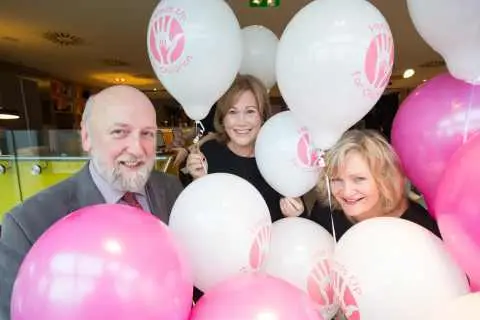
Delivering presentations and workshops on a national level to highlight the impact of quality relationships in Ireland on health and wellbeing outcomes. These include national conferences such as the IFCA International Conference, Enable Ireland Conference, Unity Through Relationships Conference and the Social Care Ireland Conference.
• Presenting Masterclasses for the Royal College of Physicians Ireland (RCPI). Our founder, Dr Maeve Hurley, is regularly invited by the RCPI to share her vision and knowledge with members. She has delivered Advanced Masterclasses at the RCPI’s annual St Luke’s Symposium in Dublin and has presented at the RCPI’s Quality in Healthcare Summit.
• We engage in important skills and knowledge-based training with the Cork Specialist Training Programme for General Practice to develop GP Registrars’ capacity to take a relationship-centred approach in practice.
• Our views, thoughts and insights into relational wellbeing can be found in health journals and national, regional and local media to raise awareness about the importance of relationships in practice.
• We hold and facilitate on-line and in-person events to gather and welcome practitioners in real and virtual spaces to connect, collaborate and share learning and experiences with like-minded people and organisations.